



Expanding business operations into India offers overseas companies access to a large talent pool, growing technology capabilities, and new commercial opportunities. Whether an organization is establishing its first Indian office, launching a Global Capability Centre (GCC), setting up an Offshore Development Centre (ODC), or building a regional support team, the first year is an important period for creating a reliable operational foundation.
Among the many responsibilities involved in entering a new market, IT infrastructure planning is one of the most significant. Employees need laptops, desktops, workstations, network connectivity, security systems, and access to business applications from the beginning. At the same time, the company must coordinate local requirements with its international headquarters and prepare for changing workforce needs.
Foreign companies often face challenges because their Indian operations are still developing internal IT teams, vendor relationships, procurement processes, and infrastructure management procedures. Understanding these challenges early can help businesses avoid unnecessary delays and build a technology environment that supports long-term growth.
This article explores the major IT infrastructure challenges faced by foreign companies during their first year in India and explains how they can manage them effectively.
One of the first challenges for an overseas company is understanding how to establish its IT infrastructure in India. The organization may already have established technology standards at its headquarters, but implementing those standards in a new country requires local planning.
The company must identify suitable equipment, arrange connectivity, evaluate local suppliers, and coordinate installation and deployment activities.
Its requirements may include:
A company opening an office with 30 employees may have different requirements from a GCC planning to recruit 200 employees within its first year.
The best approach is to prepare an IT infrastructure plan based on the initial workforce, business applications, office locations, and expected recruitment schedule.
Foreign companies frequently have established IT policies and equipment standards at their international headquarters. However, implementing these standards in India can require coordination between global and local teams.
For example, headquarters may specify particular laptop configurations, operating systems, security software, and device management tools. The Indian office must ensure that locally arranged equipment meets these requirements.
Without clear communication, businesses may encounter inconsistent device specifications, software compatibility issues, and delays during employee onboarding.
To avoid these problems, companies should establish a centralized equipment approval process.
This process should define:
A standardized equipment policy helps the Indian office remain aligned with international operations while allowing local teams to coordinate deployment efficiently.
Setting up an office in a new country can involve several initial expenses, including office space, recruitment, connectivity, business software, and IT equipment.
Purchasing laptops, desktops, workstations, and networking equipment for an entire workforce may require considerable upfront investment. This can create financial pressure, particularly when the company is still evaluating its long-term business requirements in India.
The challenge becomes more significant when the workforce is expected to grow quickly or when project requirements are temporary.
Foreign companies should compare different equipment procurement approaches before making a decision.
Purchasing can be suitable when the company has stable long-term requirements and wants to own its equipment. Renting can provide an alternative for organizations that prefer flexible equipment arrangements or want to avoid purchasing every device at the beginning of their operations.
An IT equipment rental arrangement may help businesses:
Companies should compare the complete financial implications, including rental duration, support terms, replacement conditions, maintenance responsibilities, and end-of-term arrangements.
For businesses evaluating flexible equipment options, Rental Plaza’s enterprise rental solutions provide a starting point for understanding corporate IT equipment arrangements in India.
Employee onboarding is one of the most time-sensitive activities during the first year of a new India operation.
A company may recruit employees in stages, with new teams joining every month. Each employee needs suitable computing equipment, access to company applications, and the necessary security configurations.
If equipment is not available when employees join, onboarding activities can become difficult to coordinate.
For example, a foreign technology company may recruit 50 software developers over several months. Each employee may require a laptop with specific processor, memory, storage, and operating system configurations.
To manage this requirement, companies should create an equipment deployment schedule based on recruitment plans.
The schedule should include:
A phased deployment approach allows businesses to arrange equipment according to confirmed hiring requirements rather than purchasing or arranging the entire quantity at once.
Not every employee in a foreign company’s Indian office requires the same type of equipment. Different departments use different applications and workloads, making role-based hardware planning important.
For example, software developers may need high-performance laptops, while finance and administration teams may require standard business laptops. Designers and engineers may need dedicated graphics capabilities and advanced workstations.
A department-wise equipment plan can include:
Software development: Laptops with suitable processors, memory, and SSD storage for development environments and testing tools.
Finance and administration: Business laptops that support spreadsheets, accounting software, documentation, and reporting.
Engineering and design: High-performance laptops or workstations capable of handling engineering, CAD, rendering, and design applications.
Management and sales: Portable business laptops suitable for communication, presentations, and business applications.
Customer support: Standardized laptops or desktops configured for customer relationship management and communication platforms.
The company should evaluate actual software requirements before finalizing specifications. This helps avoid overspending on unnecessary hardware while ensuring employees have the computing capacity required for their work.
Reliable network connectivity is essential for employees working with international headquarters, cloud platforms, business applications, and distributed teams.
Foreign companies may need to coordinate with global IT departments to ensure that the Indian office follows approved network architecture and security policies.
Depending on the office size and business operations, infrastructure requirements may include:
A company with 100 employees regularly participating in international video conferences may require a different network design from a small administrative office.
Businesses should evaluate the number of users, application requirements, expected network traffic, redundancy needs, and security policies before installing infrastructure.
Planning for future growth is equally important. Network capacity should be considered in relation to expected hiring and additional office locations.
Security is a major concern when an overseas organization establishes operations in a new country. The Indian office may need to follow the same cybersecurity policies and data protection practices as the global organization.
Devices should be configured according to the company’s approved security requirements before being assigned to employees.
Important security measures include:
The company should also review applicable Indian legal and regulatory requirements alongside its international policies. The appropriate controls will depend on the organization’s industry, data processing activities, and business model.
A clearly defined security framework reduces the risk of inconsistent practices between the Indian office and international headquarters.
Some foreign companies establish their first Indian office in one location and expand into additional cities during the first year.
For example, an organization may begin operations in Bengaluru and later recruit employees in Hyderabad, Pune, Gurugram, or Mumbai.
Managing equipment across multiple locations can introduce additional coordination requirements.
The organization must track which devices are required at each office, where they should be delivered, and who is responsible for receiving and allocating them.
A centralized deployment process should record:
Working with an equipment partner that can coordinate corporate requirements across India may help simplify this process.
For companies that need business-focused equipment arrangements across different locations, Rental Plaza’s enterprise solutions are relevant to explore.
During the first year, a company may distribute laptops, desktops, monitors, and other equipment to employees across different departments.
Without a structured asset tracking process, it can become difficult to identify equipment ownership, current location, condition, and allocation history.
A centralized asset register helps the company maintain visibility over its equipment.
Each record should ideally include:
Companies should also define procedures for updating asset records when employees change departments, move locations, or leave the organization.
Establishing these processes early creates a stronger foundation for managing larger equipment inventories as the Indian business grows.
An overseas company may initially depend on its international IT team for technical assistance. However, different time zones, geographical distance, and local equipment requirements can make support coordination difficult.
Employees need a clear process for reporting hardware problems, software issues, connectivity concerns, and equipment faults.
Businesses should define which responsibilities will be handled by global IT teams and which will be managed locally.
A support framework should clarify:
If the company uses rented equipment, it should review the provider’s support scope and replacement conditions before signing an agreement.
Response commitments, exclusions, service responsibilities, and escalation procedures should be clearly understood.
For organizations that need structured service responsibilities, Rental Plaza’s enterprise support and SLA solutions provide a relevant reference for corporate support arrangements.
During the first year, foreign companies may experience faster or slower recruitment than initially expected. New projects, client requirements, and business performance can change equipment demand.
A company that initially plans for 50 employees may eventually need equipment for 150 or 200 employees. Some departments may also require specialized devices as their responsibilities expand.
A rigid procurement plan can make these changes more difficult to manage.
Businesses should therefore prepare a scalable equipment strategy that considers:
Flexible equipment planning can help companies adjust their IT resources as operational requirements change.
The objective should be to establish processes that support expansion without repeatedly redesigning the entire IT environment.
For a foreign company entering India, identifying a suitable local IT equipment partner can simplify hardware coordination and reduce the administrative effort involved in establishing operations.
The right partner should understand corporate requirements rather than focusing only on individual device transactions.
Before selecting a provider, businesses should evaluate:
Companies should also establish clear communication between the provider, local administration team, and global IT department.
A well-defined working relationship can help coordinate equipment requirements during the initial office setup and subsequent expansion.
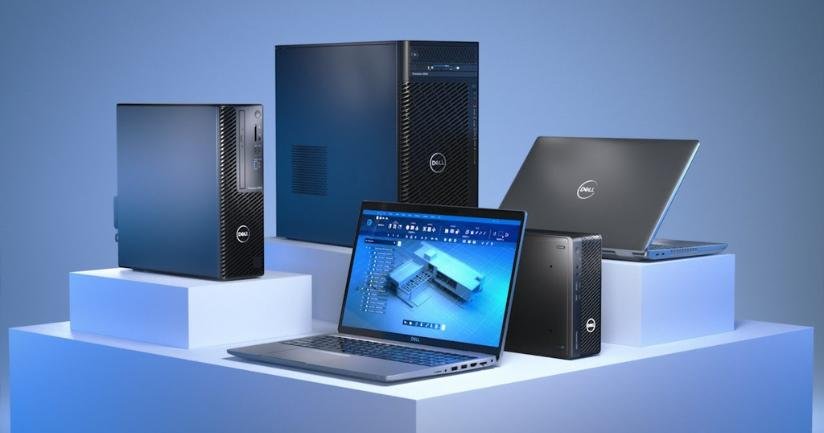
Rental Plaza provides corporate IT equipment solutions, including laptops, MacBooks, desktops, workstations, servers, and other business technology equipment. Overseas organizations planning their Indian operations can explore IT equipment solutions for international companies to understand the available enterprise-focused approach.
Instead of treating infrastructure as a one-time setup activity, foreign companies should create a roadmap covering the entire first year.
A roadmap helps connect immediate equipment requirements with future business objectives.
First three months: Finalize approved device configurations, arrange initial employee equipment, establish office connectivity, and implement security policies.
Months four to six: Review equipment utilization, address support requirements, improve asset tracking, and prepare for additional recruitment.
Months seven to nine: Evaluate new department requirements, assess infrastructure capacity, and coordinate equipment for additional projects or locations.
Months ten to twelve: Review the complete IT environment, identify hardware refresh requirements, assess procurement costs, and prepare an infrastructure plan for the next year.
This structured approach helps the company make informed decisions instead of responding to every new requirement independently.
The first year of business operations in India can present several IT infrastructure challenges for foreign companies. These include coordinating global technology standards, managing initial hardware investment, arranging equipment for employee onboarding, establishing reliable networks, maintaining security, tracking assets, and supporting workforce expansion.
A successful approach begins with a clear understanding of business requirements and a structured plan for equipment deployment. Standardized configurations, phased onboarding, centralized asset tracking, and clearly defined support responsibilities can help organizations build a consistent technology environment.
Companies should also evaluate whether purchasing or renting equipment is more suitable for their financial plans and expected growth. The right approach will depend on the nature and duration of their requirements.
Rental Plaza supports corporate IT equipment requirements across India, offering equipment solutions for laptops, MacBooks, desktops, workstations, servers, and other business technology needs.
Establishing your first office or expanding business operations in India? Connect with Rental Plaza to discuss your corporate IT equipment requirements and explore suitable arrangements for your Indian workforce.
Website: https://rentalplaza.in/