

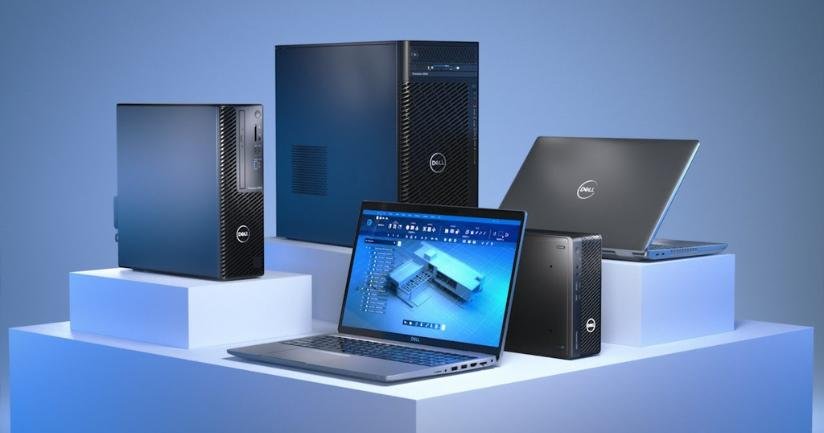
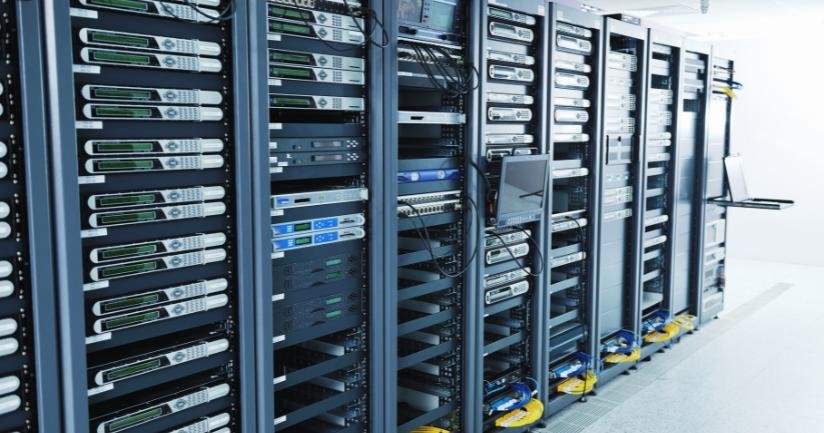


Business growth brings new opportunities, but it also increases the need for reliable IT infrastructure. As companies expand their workforce, open new offices, establish project teams or enter additional markets, they require more laptops, desktops, workstations, servers and networking equipment to support daily operations.
For growing corporate businesses, managing these requirements through hardware purchases can involve significant capital expenditure and procurement responsibilities. Companies must evaluate device specifications, coordinate purchases, manage inventory and plan for future upgrades. These activities can become more challenging when equipment is required across multiple departments or locations.
Enterprise IT equipment rental in India offers businesses an alternative way to arrange computing infrastructure without purchasing every device upfront. Companies can plan equipment requirements around employee strength, project timelines, operational needs and expansion plans.
Rental Plaza provides corporate IT equipment rental solutions for businesses looking for laptops, MacBooks, desktops, workstations, servers and other computing equipment across India.
Growing companies regularly experience changes in employee strength, departmental requirements and business operations. A company may begin with a small office team and gradually expand into multiple departments, project locations or delivery centres.
Each expansion creates additional IT equipment requirements. New employees need computers, technical teams may require higher-performance systems, and business operations may need additional infrastructure.
Enterprise IT equipment rental can help organizations plan these requirements without making a large upfront investment in every device.
Common business situations include:
A structured rental arrangement allows companies to evaluate equipment requirements according to their actual operational needs.
Enterprise IT equipment rental refers to arranging business computing hardware through a rental agreement instead of purchasing every device. It is designed around organizational requirements, which may involve multiple devices, different configurations, defined rental periods and coordinated delivery locations.
Unlike an individual device requirement, enterprise deployments often involve planning across departments and business locations.
For example, a company expanding its operations may need 100 business laptops, 25 desktops, 10 high-performance workstations and additional monitors for its employees.
The company can consolidate these requirements and discuss an equipment rental arrangement based on quantities, specifications, duration and delivery schedules.
Enterprise IT equipment rental can include:
The equipment mix depends on the organization’s business activities and technology requirements.
Laptops are among the most frequently required IT assets in corporate environments. Employees across administration, finance, HR, operations, consulting, software development and management functions depend on computers to perform their daily responsibilities.
As companies recruit additional employees, laptop requirements increase.
Corporate laptop rental can help businesses arrange devices for new employees without purchasing the entire fleet upfront.
For example, a company hiring 100 employees may need different laptop configurations for different departments. Standard business laptops may be suitable for administrative and operational roles, while developers and technical professionals may need higher-performance configurations.
Before arranging corporate laptop rental, businesses should evaluate:
A role-based configuration strategy helps organizations match laptop performance with employee responsibilities.
Large corporate deployments require more planning than individual hardware procurement. Companies must coordinate equipment quantities, approved configurations, delivery schedules and allocation across different departments.
Bulk IT equipment rental can support organizations arranging dozens or hundreds of devices for business expansion.
Consider a growing company preparing to establish a new office with 300 employees. Its IT department may require laptops for management and operations, desktops for fixed workstations, high-performance systems for technical teams and monitors for employee workspaces.
A consolidated equipment requirement can help simplify planning and communication.
Important considerations include:
Equipment Quantity: Estimate the total number of devices required for current employees and upcoming recruitment.
Department-Wise Allocation: Identify the equipment needed by each department.
Hardware Standardization: Establish approved configurations for similar employee roles.
Deployment Schedule: Align equipment delivery with office readiness and employee onboarding.
Location Planning: Confirm whether equipment is required at one location or across multiple cities.
Support Responsibilities: Define how technical issues, maintenance and replacement requests will be handled.
For organizations planning large deployments, a clear equipment schedule is essential.
Different departments within an organization may have different computing requirements. A suitable enterprise equipment plan should consider the applications, workloads and responsibilities of each team.
HR and administration teams generally use business applications, spreadsheets, communication platforms, documentation tools and employee management systems.
Standard business laptops or desktop computers may be suitable for these functions, depending on the company’s workplace setup.
Finance departments may work with accounting software, reporting applications, large spreadsheets and enterprise resource planning systems.
Companies should evaluate processor performance, RAM and storage requirements according to the applications used by their teams.
Software developers may need laptops with higher memory capacity, fast processors and sufficient storage for development tools, testing environments and virtual machines.
Some specialized roles may require workstations or MacBooks depending on their development environment.
Engineering, CAD, 3D design, visualization and technical teams may require high-performance workstations with suitable processors, memory and dedicated graphics capabilities.
Managers, consultants and project coordinators may need business laptops for communication, reporting, presentations and project management applications.
Planning equipment by department helps companies avoid assigning unsuitable or unnecessarily expensive hardware.
Multinational companies and Global Capability Centres often establish or expand their Indian operations to support technology, research, finance, engineering and business services.
These organizations may need to deploy equipment for new employees, project teams and multiple business units.
Enterprise IT equipment rental can be considered when an organization is setting up a new India office, expanding its workforce or arranging hardware for a defined project.
For international companies, local equipment coordination can also help reduce the complexity of arranging hardware for Indian operations.
Companies establishing or expanding their Indian presence can explore IT Equipment Solutions for International Companies.
Rental Plaza also provides information about its Enterprise IT Equipment Rental Solutions for corporate requirements.
Many corporate businesses operate across multiple Indian cities. A company may have its headquarters in Delhi NCR, a technology team in Bengaluru, a delivery centre in Hyderabad and additional employees in Pune or Mumbai.
Managing IT equipment separately for every location can increase coordination requirements for central procurement and IT departments.
PAN India enterprise IT equipment rental helps organizations plan equipment requirements across multiple office locations through centralized coordination.
For example, a company expanding its workforce may require:
The organization can consolidate these requirements and coordinate deployment according to location-wise quantities and schedules.
For a multi-city deployment, companies should prepare delivery addresses, device configurations, quantities and expected delivery dates in advance.
Growing businesses should evaluate whether renting or purchasing IT equipment is more suitable for their financial and operational requirements.
Purchasing hardware provides ownership and may be appropriate when equipment requirements are stable and the company intends to use the devices over a long period.
Rental can be useful when businesses have changing workforce requirements, temporary projects or plans to avoid purchasing every device upfront.
| Business consideration | Purchasing IT equipment | Enterprise IT equipment rental |
|---|---|---|
| Initial investment | Requires upfront purchase expenditure | Avoids purchasing every device upfront |
| Equipment ownership | Company owns the hardware | Equipment remains rental property |
| Workforce expansion | Additional devices must be procured | Additional devices can be arranged subject to availability |
| Project requirements | Purchased equipment remains with the company | Rental duration can be planned around the requirement |
| Hardware management | Company manages owned inventory | Responsibilities are defined in the rental agreement |
| Budget planning | Purchase costs are incurred upfront | Payments follow agreed rental terms |
Companies should compare total costs, rental duration, device specifications, service terms, internal IT responsibilities and expected hardware usage before making a decision.
Business expansion is not limited to increasing the number of employees. It may also involve new technology requirements, additional computing capacity and more specialized equipment.
For example, a growing software company may need additional development laptops and testing systems. An engineering business may require more workstations, while an organization running internal applications may need server infrastructure.
Enterprise IT equipment rental can help businesses evaluate these requirements as their operations develop.
Common expansion-related requirements include:
A planned equipment strategy helps companies identify the hardware needed for each stage of growth.
Corporate IT equipment often provides access to internal applications, customer information, business records and confidential project data.
Therefore, organizations should consider information security and device management before deploying rented equipment.
The internal IT team should establish procedures for:
Businesses should also clarify responsibilities for software installation, device configuration, technical support, maintenance and replacement in the rental agreement.
Security requirements should be managed according to the company’s internal IT policies and applicable obligations.
A structured planning process helps companies communicate their requirements and coordinate equipment deployment.
Identify the reason for the deployment, expected employee strength, project requirements and office locations.
Calculate the number of laptops, desktops, workstations, servers and accessories required.
Prepare configurations according to employee roles, software requirements and business workloads.
Estimate how long the equipment will be needed and discuss extension or return terms.
For multi-city requirements, provide location-wise quantities and delivery details.
Confirm operating system, software, account access and security requirements with the internal IT team.
Discuss rental pricing, delivery, maintenance, technical support, replacement procedures and equipment return responsibilities.
Preparing this information before contacting a rental provider can make the requirement discussion more productive.
Rental Plaza provides IT equipment rental solutions for corporate businesses planning equipment deployments, project requirements and workforce expansion across India.
Organizations can explore rental requirements for:
Rental Plaza focuses on corporate requirements involving planned quantities, suitable hardware configurations and deployment coordination.
Businesses can explore the following pages:
These pages provide further information for companies evaluating business-focused IT equipment rental requirements.
Growing corporate businesses need reliable IT equipment to support employees, business operations, technology teams and expansion plans. As organizations increase their workforce and establish additional locations, managing hardware procurement and deployment can become increasingly complex.
Enterprise IT equipment rental in India offers an alternative way to arrange laptops, desktops, MacBooks, workstations, servers and other computing equipment without purchasing every device upfront.
Whether a company is hiring new employees, establishing a GCC, expanding a software development team or opening offices across multiple cities, a structured equipment rental strategy can support its infrastructure planning.
Planning IT equipment for your company’s expansion? Contact Rental Plaza to discuss your corporate requirements, equipment quantities, hardware configurations, rental duration and delivery locations across India.
Visit Rental Plaza to submit your corporate enquiry.